
Home > Regions > Due Diligence Investigations in Europe
Due Diligence Investigations in Europe
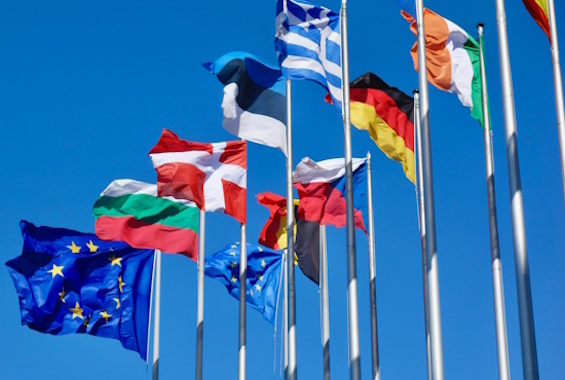
While Europe is generally characterised by a comparatively high degree of transparency when it comes to business dealings and public records, each jurisdiction presents its own quirks for corporate intelligence and integrity due diligence investigations. Some countries, such as Switzerland, do not disclose shareholders publicly. Others do not allow searches of official corporate records by the name of a director. Still others restrict access to property information or court judgments. Our experts at Maddocks Insight have years of experience navigating the various European jurisdictions and their idiosyncrasies. They are familiar with the limitations that apply in each country and know how to ensure that our reports contain the best available information and insights.
Germany
Germany's Handelsregister (Commercial Register) has been freely accessible online since August 2022, replacing the previous fee-based model. The register provides corporate data and filed documents, including shareholder lists for most company types. It cannot, however, be searched by the name of a director, which complicates the identification of an individual's wider directorship portfolio. Official gazette announcements and third-party databases alleviate this issue to some extent. Beneficial ownership information is held in the Transparenzregister, but public access was withdrawn following the Court of Justice of the European Union ruling of November 2022, with access now limited by-and-large to government authorities.
Access to many other public records (property ownership, court judgments, criminal records) is fairly restricted in Germany, though some of these restrictions (e.g. insolvency announcements) can be managed with the right research strategy.
Austria
Unlike Germany, Austria provides one of the best corporate registers in terms of range of available information, including searches by the name of directors and shareholders. However, access to the corporate registry is not straightforward and generally requires subscription through an official service provider. Land registry records too can be accessed in this way.
Switzerland
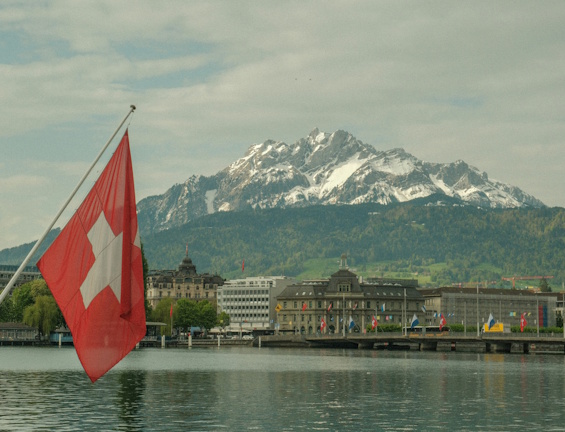
While Switzerland has a reputation for secrecy, in 2025, it scored 80 points on the Corruption Perception Index, placing it joint sixth globally. Part of this is due to some modest moves towards greater transparency, for instance, the abolishing of the anonymous bearer shares framework for unlisted companies in 2019. ZEFIX (the central corporate register database) grants access to detailed information on companies, while SHAB (company announcements database) allows searches by name of a director. Unfortunately, in most cases, details of shareholders are not made available.
Liechtenstein
Liechtenstein makes a fairly substantial amount of information available on companies registered there; however, the fees charged for access are significantly higher than in other jurisdictions. Foundations and trusts (Stiftungen) continue to be registered there, as they requirements for public disclosure are lower for these entities than elsewhere.
Benelux (Belgium, Netherland, Luxembourg)
The Benelux countries are all comparatively transparent jurisdictions, though this is not always reflected in the amount of publicly-available information about companies, directors and shareholders.
For instance, in Belgium, the official Kruispuntbank van Ondernemingen database provides basic details for companies (including current directors), but does not display shareholders or historic directors. That information can usually only be obtained by digging into company filings or financial statements.
The Netherlands’ Kamer van Koophandel operates on a tiered basis: limited information is available for free, with extracts and filings provided for additional fees, and shareholders of a Dutch BV (private limited company) are generally not listed in the register unless the company has a sole shareholder.
Luxembourg’s Registre de Commerce et des Sociétés is freely accessible online; however, reverse directorship searches cannot be carried out directly through the database, which is why we have developed a proprietary solution.
France
Since introducing its anti-corruption legal framework, the Loi Spain II, in 2016, France’s drive for greater transparency has been significant. While many anti-corruption cases are stuck in the courts and only a proportion of prosecutions lead to convictions, the law has served its purpose of a deterrent to some degree.
Corporate information is accessible through the Institut National de la Propriété Industrielle data portal, Infogreffe, and company announcements in the official gazette, BODACC. However, when it comes to shareholding information, the country is lagging behind other jurisdictions. Often shareholding information has to be pieced together painstakingly from corporate filings, annual reports and the like.
Spain
Spain scored 55 on the 2025 Corruption Perception Index, lower than its Western European peers and below the regional average. A succession of high-profile corruption cases has kept public-sector integrity in the headlines. The Registro Mercantil (Commercial Register) provides corporate information on a fee-paying basis, including basic company data, financial statements, directors etc., though information on shareholders is not usually available outright and has to be pieced together more often than not.
United Kingdom
While the UK has traditionally allowed virtually unfettered access to incorporating companies with fictitious information, the Economic Crime and Corporate Transparency Act 2023 introduced the largest reform of Companies House in its history, including phased identity verification requirements for directors and PSCs. Going forward this means that the information will become more reliable as companies are required to comply with the verification.
HM Land Registry provides title information for a modest fee, and a range of court judgment registers are accessible online.
Ireland
Ireland allows access to its Companies Registration Office (CRO) on a per-filing fee basis, which provides information on shareholders, directors, financial statements etc. The Register of Beneficial Ownership (RBO) was originally opened to the public but, in line with other EU beneficial ownership registers, access has been restricted following the CJEU ruling.
Regardless of the country or countries in Europe your investigative target is located in, we would be pleased to assist with your due diligence needs. Please do not hesitate to contact us with your specific requirements.
